
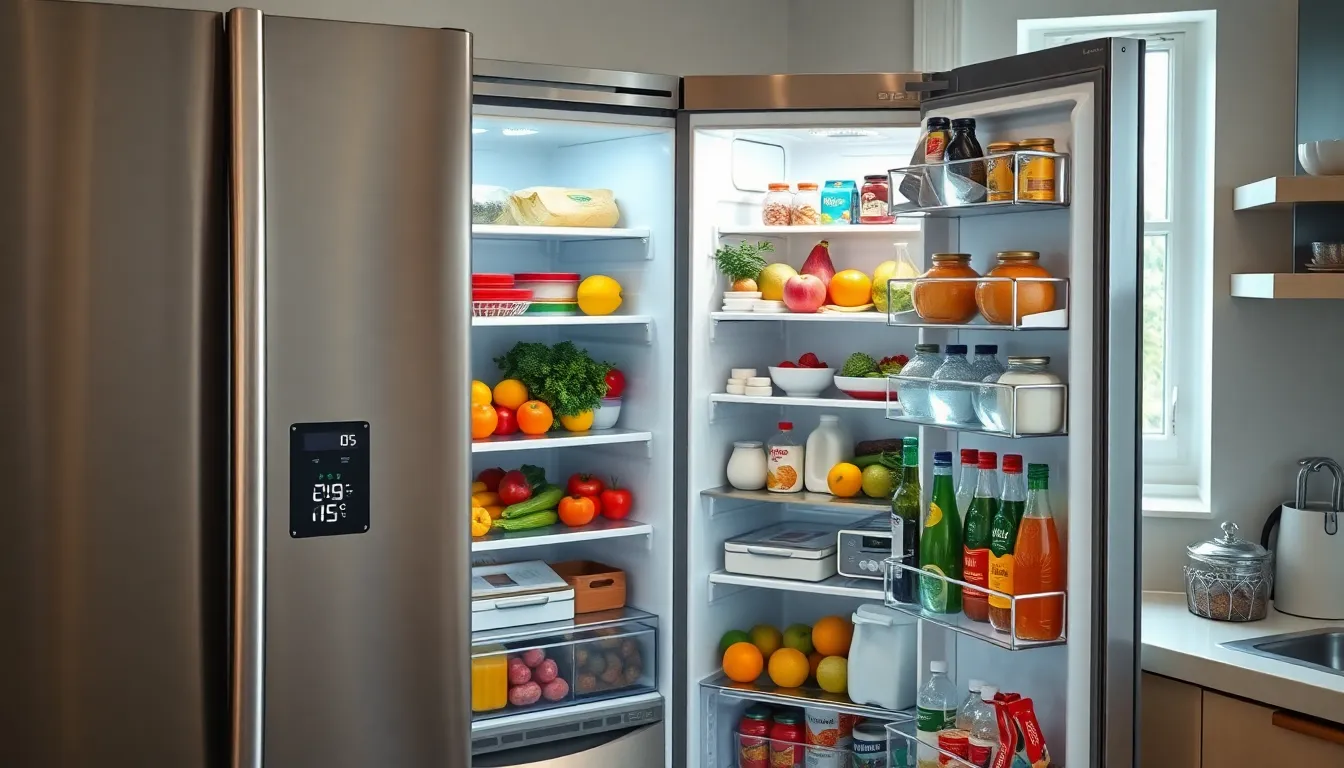
Maintaining the right temperature in a fridge is crucial for food safety and freshness. In the UK, many people often wonder what the ideal fridge temperature should be. Keeping food at the proper temperature not only prevents spoilage but also reduces the risk of foodborne illnesses.
The recommended fridge temperature typically hovers around 0 to 5 degrees Celsius. This range ensures that perishable items stay fresh while minimizing the growth of harmful bacteria. Understanding these temperature guidelines can help households make informed decisions about food storage, leading to healthier eating habits and reduced waste.
Understanding Refrigerator Temperatures
Maintaining the proper refrigerator temperature ensures food safety and freshness. Understanding the specifics of temperature control and its impact on food items contributes to safe food storage.
Importance of Proper Temperature Control
Proper temperature control prevents the growth of harmful bacteria in food. Refrigerators should consistently maintain temperatures between 0 to 5 degrees Celsius to ensure optimal freshness. Effective temperature regulation protects food quality, prolongs shelf life, and reduces the risk of foodborne illnesses. Regularly checking and adjusting temperature settings ensures that perishables stay within this safe range.
Effects of Temperature on Food Safety
Temperature significantly affects food safety. Temperatures above 5 degrees Celsius can lead to bacterial growth, increasing the risk of pathogens such as Salmonella and E. coli. Keeping foods like dairy, meats, and leftovers at the ideal range minimizes spoilage and preserves nutrients. Cold spots in a fridge can also result in inconsistent cooling; monitoring temperature throughout the entire unit is essential for ensuring safety.
Recommended Temperature Settings
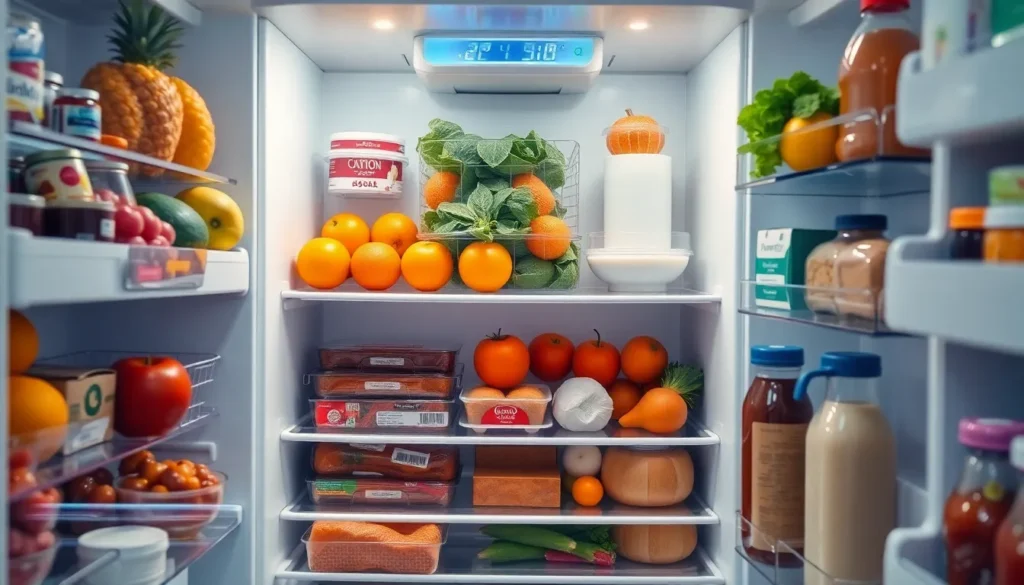
Maintaining the correct temperature in a fridge ensures food safety and extends freshness. The following details outline the ideal temperature range and factors influencing settings for refrigerators in the UK.
Ideal Temperature Range for UK Refrigerators
The ideal temperature for UK refrigerators ranges from 0 to 5 degrees Celsius. Keeping the temperature within this range helps preserve perishable items effectively. At 0 degrees Celsius, freezing occurs, which may compromise food quality. Temperatures above 5 degrees Celsius encourage bacterial growth, increasing the risk of foodborne illnesses. A thermometer inside the fridge ensures accurate monitoring of temperature and helps identify hot spots.
Factors Influencing Temperature Settings
Several factors can influence temperature settings, including:
- Ambient Temperature: Higher room temperatures can affect internal fridge temperatures, requiring adjustments.
- Fridge Load: Overloading a fridge restricts airflow, leading to uneven cooling. A balanced load allows for optimal temperature stability.
- Humidity Levels: High humidity can cause condensation inside the fridge, affecting temperature consistency. Low humidity can impact food freshness.
- Door Openings: Frequent opening of the fridge door leads to temperature fluctuations. Minimizing door openings maintains a steady environment.
- Appliance Age: Older refrigerators may not maintain temperatures as efficiently as newer models. Regular maintenance can improve performance.
By considering these factors, users can optimize their fridge settings, ensuring safety and extending the shelf life of food items.
Common Misconceptions About Fridge Temperatures
Several misconceptions exist regarding fridge temperatures that can lead to unsafe food storage practices. Identifying these myths helps promote better food safety and preservation methods.
Myths vs. Facts
- Myth: A fridge temperature of 0 degrees Celsius is ideal.
Fact: While 0 degrees Celsius keeps items frozen, the optimal fridge temperature range is 0 to 5 degrees Celsius for perishable foods. - Myth: All fridges maintain uniform temperatures.
Fact: Fridge temperatures can vary by location. Some areas may be colder than others, particularly near the back. - Myth: Lower temperatures always extend food shelf life.
Fact: Extremely low temperatures can cause food to freeze, leading to texture changes and degradation of quality. - Myth: Door openings have minimal effect on temperature.
Fact: Frequent door openings let warm air in, raising inside temperatures and potentially compromising food safety.
Consequences of Incorrect Temperature Setting
- Increased Bacterial Growth:
Temperatures above 5 degrees Celsius create an environment conducive to bacterial proliferation, heightening the risk of foodborne illnesses.
- Shortened Shelf Life:
Incorrect temperatures lead to faster spoilage of perishables, causing wasted food and financial losses.
- Texture and Flavor Changes:
Items stored at too low or too high temperatures can undergo taste and texture modifications, making food less enjoyable.
- Health Risks:
Consuming spoiled food results in potential health risks involving pathogens like Salmonella and E. coli, directly affecting consumer well-being.
Tips for Maintaining the Right Temperature
Maintaining the correct fridge temperature ensures food safety and quality. Readers can follow various strategies to keep their refrigerators running optimally.
Monitoring Tools and Techniques
Utilizing reliable monitoring tools is essential for tracking fridge temperatures. Thermometers designed for refrigerator use provide accurate readings.
- Digital thermometers: These offer precise temperature readings and may include alarms for high or low temperatures.
- External probes: These measure air temperature in different sections of the fridge, helping identify cold spots.
- Smart fridges: Some models come with built-in temperature sensors and mobile app notifications for monitoring.
Regularly checking these devices ensures temperatures remain within the safe range of 0 to 5 degrees Celsius, allowing timely adjustments.
Regular Maintenance Practices
Implementing consistent maintenance practices helps sustain optimal fridge temperatures.
- Clean the coils: Dust buildup on condenser coils can hinder cooling efficiency. Cleaning them every six months improves performance.
- Avoid overcrowding: Overloading the fridge prevents proper airflow, leading to uneven cooling. Leave space for air circulation between items.
- Inspect door seals: Damaged seals can allow warm air to enter. Checking and replacing seals, if necessary, keeps the interior temperature stable.
- Adjust settings seasonally: Ambient temperature changes, particularly in summer or winter, may require adjusting settings to maintain ideal internal temperature.
By following these maintenance practices, users can prolong the life of their fridge and ensure safe food storage.
Maintaining the right temperature in a fridge is crucial for food safety and quality. A range of 0 to 5 degrees Celsius ensures that perishable items stay fresh and minimizes the risk of harmful bacteria. By regularly monitoring temperatures and adjusting settings as needed, households can extend the shelf life of their food and promote healthier eating habits.
Understanding the factors that influence fridge temperatures can further enhance food storage practices. With the right tools and maintenance, users can ensure their fridges operate efficiently, safeguarding their food and health. Prioritizing these practices leads to better food management and reduces waste, making it a smart choice for every kitchen.

